Mak (Papaver) – odmiany, właściwości odżywcze, wapń, zastosowanie kulinarne i bezpieczeństwo
Spis treści 8
Nota medyczna i redakcyjna (§3 Regulaminu): Artykuł ma charakter wyłącznie informacyjno-edukacyjny, nie stanowi porady lekarskiej, diagnozy ani zalecenia terapeutycznego i jest stosowany wyłącznie na własne ryzyko. W przypadku chorób lub leczenia skonsultuj dietę z lekarzem prowadzącym.
Pod względem biochemicznym mak wyróżnia się wyjątkową koncentracją wapnia, magnezu oraz żelaza, które wspierają układ kostny oraz procesy metaboliczne organizmu. Nasiona te są również bogate w zdrowe kwasy tłuszczowe, korzystnie wpływające na funkcjonowanie układu krwionośnego. Ważnym aspektem jest również bezpieczeństwo spożycia, gdyż badania potwierdzają, że dojrzałe nasiona nie zawierają substancji psychoaktywnych, co rozwiewa obawy dotyczące ich stosowania w kuchni.
W praktyce kulinarnej kluczowe jest odpowiednie przechowywanie nasion, aby chronić zawarte w nich tłuszcze przed utlenianiem. Procesy takie jak płukanie, parzenie oraz mielenie są niezbędne, aby uwolnić pełnię smaku i ułatwić przyswajanie składników odżywczych. Dzięki właściwemu przygotowaniu mak staje się wszechstronnym dodatkiem do tradycyjnych potraw, stanowiąc naturalne wsparcie dla zdrowego stylu życia.
Ten artykuł jest profesjonalnym materiałem merytorycznym (PRO) udostępnionym w całości.
Botanical Characteristics and Commercial Poppy Varieties
The genus Papaver encompasses roughly 70–100 herbaceous species within the Papaveraceae botanical family, indigenous predominantly to temperate Eurasian territories. Agricultural production for culinary consumption centers upon specific cultivars:
- Opium poppy (Papaver somniferum) – the primary cultivated species; an annual plant developing prominent solitary blossoms and globular capsules (poppy heads) packed with thousands of microscopic seeds.
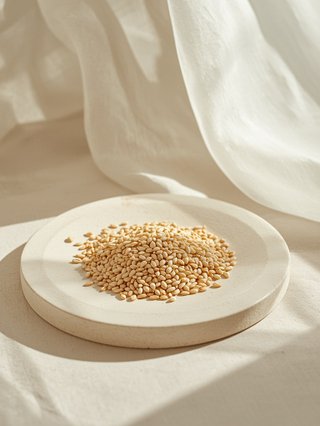
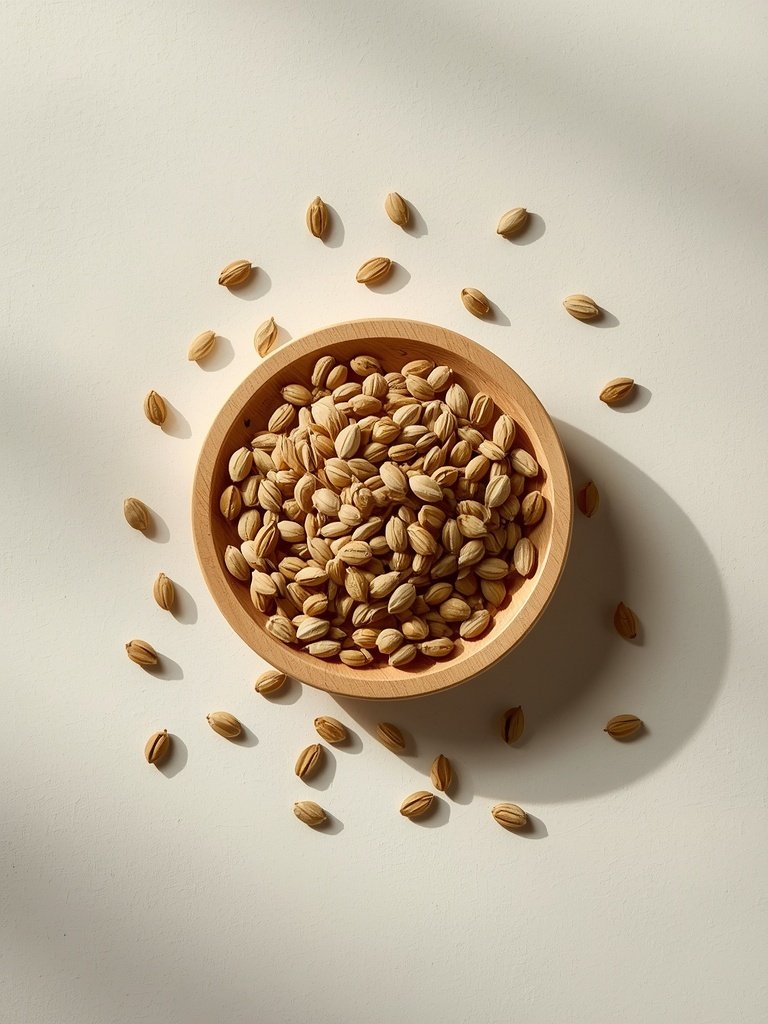
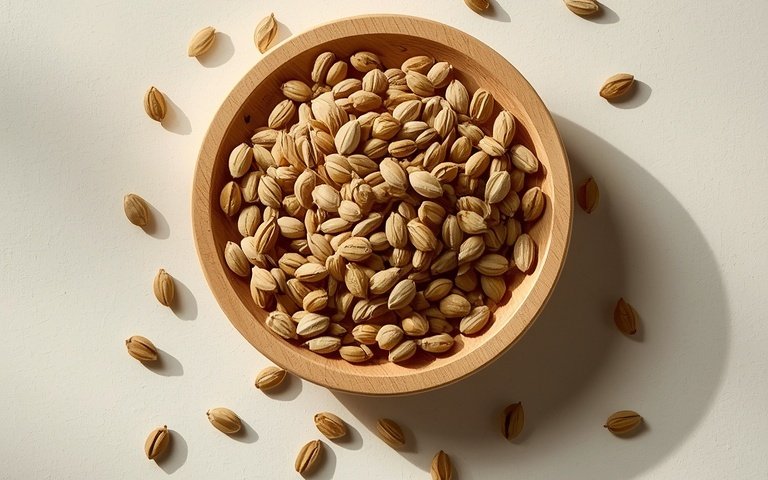
- Blue poppy (European cultivar) – the quintessential variety utilized across Central and Eastern Europe; features slate-blue tiny seeds possessing an intense, nutty, and slightly astringent aroma.
- White poppy – cultivated widely in India and the Levant, in Poland famously recognized as the mandatory filling for St. Martin's croissants; delivers a delicate, distinctly sweeter, and milder profile.
- Corn poppy (Papaver rhoeas) – wild arable weed bearing vibrant scarlet petals; utilized in traditional herbalism but irrelevant for commercial edible seed production.
Nutritional Value – Record Calcium Density and Mineral Profile
Poppy seeds represent one of the most nutritionally condensed plant matrices in human nutrition:
- Caloric density – supplies roughly 525–535 kcal per 100 g, driven predominantly by energy-dense plant lipids.
- Exceptional calcium concentration – delivers an astounding 1200–1450 mg of elemental calcium per 100 g, exceeding hard dairy cheeses and satisfying 120–140% of the adult recommended daily allowance. It serves as a vital non-dairy calcium source in plant-based diets.
- Lipid profile – total fat comprises 40–45% of seed mass, dominated by essential polyunsaturated linoleic acid (omega-6) and monounsaturated oleic acid (omega-9).
- Dietary fiber and protein – packs 18–20 g of complete plant protein and 19–20 g of dietary fiber, dampening carbohydrate absorption and yielding a negligible Glycemic Index (GI 15–20).
- Micronutrient richness – exceptional concentrations of magnesium (~340 mg/100 g), non-heme iron (~9–10 mg/100 g), phosphorus, and zinc optimize skeletal integrity and enzymatic function.
Culinary Traditions and Confectionery Applications
Poppy seeds occupy a venerable place across Central and Eastern European gastronomy, particularly in festive culinary heritage:
- Yeast pastries and strudels – the classic Polish makowiec (rolled poppy seed roll) represents a timeless holiday centerpiece, harmonizing tender brioche dough with an opulent filling of ground poppy, forest honey, raisins, walnuts, and candied orange peel.
- Traditional festive dishes – kutia (a sacred Christmas Eve dish composed of cooked whole wheat berries, honey, and poppy), along with noodles tossed in sweet poppy seed milk, historically symbolized prosperity and peace.
- Breads and artisanal toppings – whole blue poppy seeds adorn bagels, challah, and sourdough loaves, imparting visual elegance, nutty crunch, and preserving crust hydration.
- Modern nutrient-dense additions – unground seeds effortlessly integrate into morning porridge bowls, post-workout protein smoothies, homemade seed granolas, and crisp salads.
Preparation Technique – Proper Steeping, Draining, and Grinding
Raw poppy seeds possess a resilient outer testa and a trace bitter tone. Systematic culinary preparation releases their silky, sweet lipid emulsion:
- Step 1: Rinsing and simmering – thoroughly rinse seeds in a fine wire colander. Transfer to a pot, cover with boiling milk or water (approximately 2:1 liquid-to-seed ratio), and simmer gently for 20–30 minutes until seeds yield when pressed between fingertips.
- Step 2: Stringent draining – drain the steeped seeds over a cheesecloth-lined sieve for 30–60 minutes. Eliminating excess water is paramount to prevent wet, soggy pastry fillings.
- Step 3: Multi-pass grinding – to fracture seed hulls and release emulsified plant oils and bioavailable minerals, pass drained seeds twice or thrice through a meat grinder fitted with its finest grinding plate (or dedicated poppy seed mill).
- Step 4: Flavor folding – fold freshly ground poppy paste with raw honey, sweet butter, toasted walnuts, plump sultanas, and natural almond extract.
Storage Science – Mitigating Lipid Oxidation and Rancidity
Given its prominent concentration of polyunsaturated fatty acids, poppy seeds are vulnerable to auto-oxidation and lipid rancidity:
- Whole unground seeds – store whole dry seeds in airtight glass containers or breathable linen bags in a cool, dark, dry pantry (<18°C / 64°F). Properly kept, whole seeds maintain freshness for up to 12 months.
- Ground poppy seed vulnerability – mechanical milling fractures cellular membranes, exposing delicate linoleic double bonds to atmospheric oxygen. Enzymatic oxidation rapidly produces bitter, pungent rancidity within days.
- Freezing protocol – freshly ground poppy or prepared fillings must be consumed within 24–48 hours (refrigerated) or immediately frozen in airtight containers, where they preserve peak flavor for up to 6 months.
- Commercial canned fillings caution – retail canned poppy pastes frequently contain as little as 15–20% actual seed content, heavily diluted with high-fructose corn syrup, starches, and artificial preservatives. Scratch preparation delivers vastly superior nutrition.
Do Poppy Seeds Have Psychoactive Effects? Myths vs Opiate Alkaloids
The question of narcotic psychoactivity in poppy seeds involves distinct biochemical boundaries:
- Botanical localization – opiate alkaloids (morphine, codeine, thebaine) are produced exclusively within the milky latex of the pericarp and vegetative tissues of unripe Papaver somniferum capsules. The mature seeds themselves synthesize zero opiates.
- Superficial dust contamination – during mechanical harvesting and threshing, minute traces of dried capsule latex can adhere to the seed exterior.
- European regulatory thresholds – since 2022, strict European Commission limits (Regulation 2021/2142) enforce a maximum ceiling of 20 mg/kg for the sum of morphine and codeine in edible culinary poppy seeds placed on the retail market.
- Culinary clearance – washing, soaking, boiling, and oven baking above 135–180°C degrade and leach between 80% and 95% of any superficial alkaloid residues. Eating poppy seed pastries is physiologically safe and devoid of psychoactive effects.
- Workplace drug immunoassay testing – ingesting substantial quantities of poppy products within 12–24 hours before a urinalysis can trigger transient false-positive immunoassay screening results for opiates, a well-documented phenomenon in occupational toxicology.
What's the use of macros?
Does the macaque have any psychoactive effects?
Chcesz wdrożyć te zasady w codziennej diecie?
Nasz inteligentny generator ułoży dla Ciebie zbilansowany jadłospis w 3 minuty, uwzględniając zalecenia z tego artykułu.
Tagi

Julia Wójcik
• 25.11.2026Ekspert Diets Premium
Ekspert zespołu Diets Premium. Specjalizuje się w planach żywieniowych, sportach siłowych oraz planach treningowych.