Najważniejsze fakty w pigułce
Współczesne nawyki żywieniowe, zdominowane przez produkty wysokokaloryczne i przetworzone, przyczyniają się do wzrostu otyłości oraz zaburzeń metabolicznych zarówno u dzieci, jak i dorosłych. Artykuł ten przybliża filozofię żywieniową Anny Lewandowskiej, pomagając zrozumieć, jak świadome wybory żywieniowe mogą wspierać zdrowie i przeciwdziałać tym negatywnym trendom. Zrozumienie podstaw zdrowego odżywiania jest kluczowe dla utrzymania dobrego samopoczucia i długoterminowego zdrowia.
Analiza założeń "Healthy Plan by Ann" wskazuje na znaczenie zróżnicowanej diety, bogatej w zdrowe tłuszcze roślinne i warzywa. Podkreśla się korzyści płynące ze spożywania pełnowartościowych produktów, jednocześnie zwracając uwagę na potencjalne niejasności w niektórych rekomendacjach. Artykuł omawia, jak różnorodność składników odżywczych wpływa na prawidłowe funkcjonowanie organizmu, bez wchodzenia w szczegółowe dane liczbowe, koncentrując się na jakościowych aspektach diety.
Praktyczne wskazówki obejmują wykorzystanie inspirujących i zdrowych przepisów, które mogą wzbogacić codzienną dietę. Zaleca się unikanie żywności wysoko przetworzonej i skupienie się na świeżych, naturalnych składnikach, aby wspierać metabolizm i ogólny stan zdrowia. Ważne jest krytyczne podejście do wszelkich porad żywieniowych i dążenie do zbilansowanego sposobu odżywiania, który sprzyja witalności i dobremu samopoczuciu.
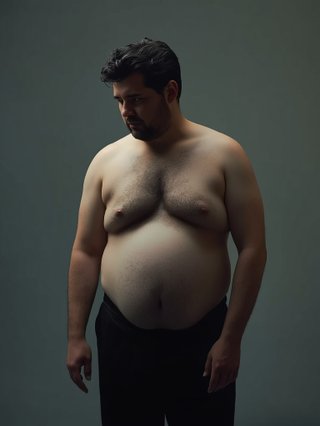
Współczesne trendy żywieniowe, charakteryzujące się dominacją produktów o wysokiej wartości energetycznej oraz wysokim stopniu przetworzenia, przyczyniły się do wzrostu zachorowań na otyłość i schorzenia metaboliczne. W szczególności, obserwuje się wzrost przypadków zaburzeń metabolicznych zarówno u dzieci, jak i dorosłych.
01 / 03
Anna Lewandowska's Nutrition Philosophy (Healthy Plan by Ann)
Analyzing the assumptions of the Healthy Plan diet by Ann available on the website www. hpba. Pl, we can draw several lessons on how to live healthily. As the website states, the basis is dietary diversity – something we can certainly agree with, because excessive consumption of only one, specific group of products over the long term can lead to an excess of some and a deficiency of others in nutrients. Another recommendation is to consume a large amount of vegetables. Of course, that is sound advice, but at the same point we learn that they can be combined with protein or carbohydrates... I think so. Can they be combined with vegetables? What about fats? After all, for fat-soluble vitamins – A, E, K, which some vegetables are rich in – to be properly dissolved and absorbed, they need – attention – the company of fat. Unfortunately, Ms. Ann may not have enough knowledge about fat – this can be inferred from the next point of recommendations. Point ten states that one should not be afraid to consume fats in the diet, which is sound advice, but it further states that plant-based fats are healthy and help absorb vitamins, and we include coconut oil and olive oil in this group, as well as – note – clarified butter. It is widely known that cow's milk, from which butter is made, is not part of the plant-based group. The next recommendations concern the consumption of good quality meats, fish, fermented foods, herbs, nuts, and seeds, with which one can agree without reservation. It is also recommended to consume only healthy, homemade sweets, which is very good advice because the labels of some "ready-made" sweets can be shocking in their composition. Time for dietary contraindications – it is recommended to refrain from consuming sugar and colored drinks, even though research results on their consumption provide conflicting information and evidence regarding their actual impact on body shape and the weight loss process [1]. Of course, giving them up can lower the daily calorie intake, and reducing sugar consumption promotes the regulation of glucose-insulin metabolism, but attributing health benefits to such a modification is very bold. Similar controversies arise regarding giving up gluten from wheat and dairy from cow's milk, because the research results on their consumption are not conclusive. Another controversial issue is limiting the consumption of table salt and the possible substitution with sea salt. The restriction seems unjustified because consuming salt in small amounts may be associated with the occurrence of hypertension, while an excessively low sodium intake may be associated with a higher risk of cardiovascular death [2]. Substitution with sea salt is also not necessarily correct, as there are no significant compositional differences between these types of salt. Many reservations arise regarding the "HOW TO EAT" section on the HPBA website. While the recommendation to chew food slowly and thoroughly, maintain hydration, and avoid snacking between meals seems entirely correct, the rest of this section is not entirely clear. The statement that eating smaller, more frequent meals promotes "metabolic regulation" and prevents "storing fat during periods without eating" is not supported by scientific evidence [3]. These are very bold recommendations based on outdated knowledge that will certainly not work for every single person. Similar to the advice to finish a meal before feeling full. Satiety is extremely important for maintaining the balance between peptides, leptin, and ghrelin, and finishing a meal before overeating can resemble a snack that Ms. Anna herself advises against rather than a nutritious meal. This can lead to increased snacking between meals, because a lack of satiety can be synonymous with hunger. Furthermore, GMO products are incorrectly excluded from Anna Lewandowska's diet. According to the latest literature review published between 1996–2016, genetically modified products can significantly improve food safety and crop stability. Certainly, reducing the risk of contamination of products with certain toxins and parasites benefits human health [4]. Often, "natural and organic" products are much more expensive, and there is a lack of conclusive evidence of their superiority over ordinary, cheap products. The "HOW TO EAT" section is full of further "strange" recommendations. According to the information on HPBA, protein meals and fruits can only be consumed in the first half of the day, which has absolutely no justification. Carbohydrate meals are recommended only for the second breakfast, because they are supposed to provide energy for the whole day? Of course, it is worth considering that the energy for the whole day comes from the kilocalories consumed on that day, not the time of carbohydrate consumption. Similarly, separating nutrients in meals is completely unjustified. A meal containing a complete set of ingredients is more likely to satisfy the body than separating them. Consequently, the effect may be similar to that described above regarding avoiding eating until feeling full. The other non-dietary factors discussed by Ms. Lewandowska regarding motivation and lifestyle hygiene are fully supportable. Avoiding vices and stress, taking care of adequate sleep, and maintaining impeccable lifestyle hygiene indeed have a big impact on health and quality of life.
Chcesz wdrożyć te zasady w codziennej diecie?
Nasz inteligentny generator ułoży dla Ciebie zbilansowany jadłospis w 3 minuty, uwzględniając zalecenia z tego artykułu.