Najważniejsze fakty w pigułce
Francuska sztuka kulinarna stanowi fundament współczesnej światowej gastronomii, będąc uznaną za wzorzec kultury stołu oraz niematerialne dziedzictwo kulturowe. Zrozumienie tego tematu jest kluczowe dla czytelnika, ponieważ pozwala odkryć głębię tradycji, która łączy wyrafinowaną elegancję z szacunkiem do lokalnych produktów. To podejście promuje świadome podejście do żywienia, w którym jakość składników odgrywa nadrzędną rolę.
Kluczowe mechanizmy kulinarne opierają się na rygorystycznych technikach, takich jak tworzenie sosów bazowych, które stanowią szkielet wielu potraw. Procesy te pozwalają na wydobycie pełni smaku z warzyw, ziół oraz innych świeżych produktów. Francuska szkoła gotowania kładzie nacisk na harmonię smaków oraz precyzję wykonania, co sprawia, że nawet proste składniki stają się podstawą wykwintnych dań, wspierając tym samym zmysłowe doświadczenia podczas każdego posiłku.
W codziennej praktyce warto czerpać inspirację z francuskiego podejścia do celebrowania posiłków. Skupienie się na świeżych, sezonowych warzywach oraz wykorzystanie tradycyjnych metod obróbki cieplnej może znacząco wzbogacić domowe menu. Zachęcamy do eksperymentowania z klasycznymi recepturami, takimi jak zupy na bazie cebuli czy duszone mięsa, pamiętając o tym, że kluczem do sukcesu jest cierpliwość, dbałość o detale oraz wybór naturalnych, wysokiej jakości produktów.
Kuchnia francuska stanowi fundament współczesnej światowej gastronomii, wpisany na Listę Niematerialnego Dziedzictwa Kulturowego UNESCO jako wzorzec biesiadowania i kultury stołu. Od rygorystycznych technik klasycznej Haute Cuisine stworzonych przez Auguste'a Escoffiera, przez genialne 'sosy matki' (sauces mères), aż po rustykalną kuchnię prowansalską i paryską kulturę bistro. Poznaj historię francuskiego smaku, regionalne terroir oraz sprawdzone przepisy na zupę cebulową i wołowinę po burgundzku.
02 / 03
French cuisine is a tradition
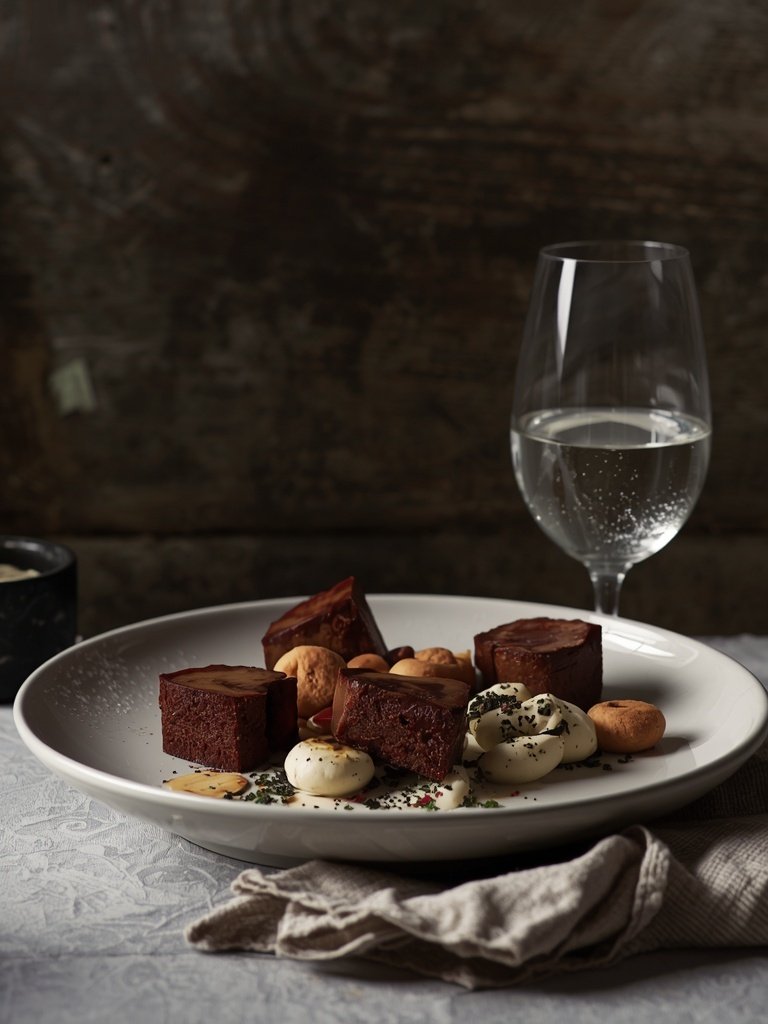
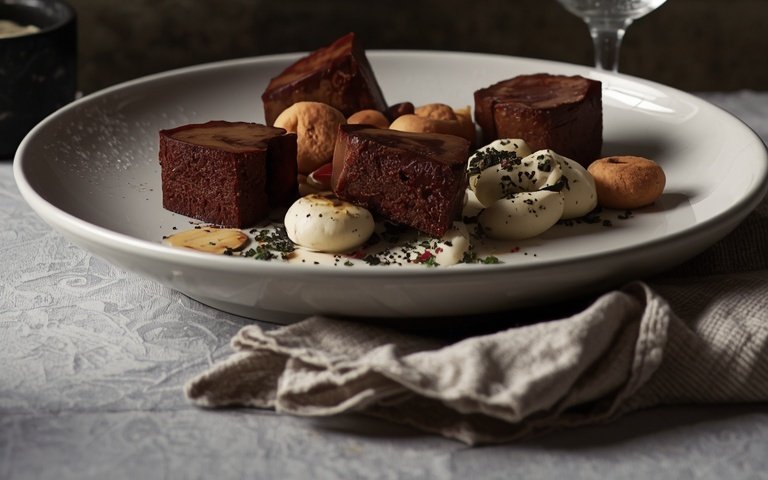
The French usually eat 3 main meals a day: breakfast (petit déjeuner), lunch (déjeuner), or dinner (dîner). Have you ever wondered why, despite the rather caloric French cuisine, they maintain such slim figures? This is their secret. The French breakfast is very sweet and pleasant. Usually, they eat a butter croissant, a roll with butter and jam, a pastry, coffee with milk, or hot chocolate. Freshly squeezed orange juice is often served with breakfast. Around 12:00–14:00. 00 lunch is eaten, which usually includes a main course with dessert or with an appetizer. Currently, lunch is served as a light lunch: omelet, salad, sandwich with cheese, vegetables or meat. Coffee is also served. Exceptions are celebrations or holidays, when more substantial dishes can be served during lunch. Lunch is often eaten during a break at restaurants. The real feast is a late dinner around 8:00 PM–10:00 PM. Then quite substantial dishes, appetizers and desserts are served. The appetizer is a salad, soup, or egg dish, while the main course is usually served hot – meat: poultry, fish, which is covered with sauce and served with potatoes, vegetables, or salads. The dinner is crowned with dessert: popular creme brulee or apple tart, and often a cheese board is served as a snack. The mandatory drinks are wine and water. French cuisine is famous for the richness of its sophisticated flavors. Every region in France has its own unique and inimitable flavor that makes it special, yet all regions of France are united by good taste and sophisticated combinations of flavors. Northern France is an area famous for deliciously prepared oysters, diverse cheeses appreciated worldwide, and cream-based products. Popular Provence is a land of olives and olive oil and vegetables: tomatoes, eggplant, zucchini, bell peppers, and onions, which combine in the delicious dish ratatouille. The South is mainly known for fish dishes. Bordeaux is also famous for the best wines in the world. In France, restaurants with large aquariums are popular, where various crustaceans are found. After being chosen and prepared by the chef, they end up on our plates. Various kinds of soups are also often served, with onion and fish soup being the most famous. The main course is usually served with creamy sauces: horseradish, béchamel, or hunter's. 500 types of cheese make France a true powerhouse, and every good meal should end with a piece of delicious cheese. Pâtés, foie gras – Strasbourg pâté, blue cheeses, baguettes, croissants, snails, frog legs, and above all, excellent wine – this is a brief description of French cuisine, which, however, is not limited to these few products.
Chcesz wdrożyć te zasady w codziennej diecie?
Nasz inteligentny generator ułoży dla Ciebie zbilansowany jadłospis w 3 minuty, uwzględniając zalecenia z tego artykułu.